2026-07-14
Buying a historic monument in Bordeaux and the Gironde: prestige, tax and the duties of ownership
Buying a historic monument is as captivating as it is binding. Listed or registered, this rare asset unlocks the most advantageous tax regime in France. BARNES Bordeaux explains its privileges and its duties.
Buying a historic monument in Bordeaux or the Gironde is the ambition of many investors we advise, and it is a very specific transaction, unlike any other property purchase. Listed or registered as a historic monument, the building is protected by the French state, and its owner gains access to a tax regime that French law reserves for very few buildings. That privilege comes with a counterpart, a commitment to preserve the building and close oversight of every intervention.
These constraints do nothing to dim the appeal, for behind the façade of an 18th-century townhouse or a Gironde wine château lies a twofold promise. For the heavily taxed French resident, the deduction reaches its peak here. For the heritage lover, the purchase is closer to a calling, that of passing a fragment of history, in good repair, to the next generation.
Listed or registered, two levels of protection for a historic monument
A monument listed as a historic monument enjoys the highest level of protection, and any change to its appearance requires state authorisation, under the control of a chief architect for historic monuments. A building registered on the supplementary inventory falls under a second tier of protection, where exterior works go through a declaration and the opinion of the Architecte des Bâtiments de France.
This distinction governs everything else. Listing covers buildings whose preservation is of major public interest, while registration covers those whose interest is enough to warrant preserving them. For the buyer, the level of protection sets the scope of approvals required, the perimeter of supervised works and the demands placed on materials and on the techniques used. In the Gironde, the Château de Roquetaillade, listed as a historic monument since 1840 and reworked by Viollet-le-Duc, embodies this protection, preserved and open to visitors by the same family for more than seven centuries.
The historic monuments regime, France's most powerful tax lever
The main financial draw lies in a mechanism without equivalent. The French historic monuments tax regime allows an uncapped deduction of restoration works and property charges from total income. It sits outside the cap on tax incentives, which in practice reserves it for French taxpayers in the highest income brackets.
The deduction rate depends on how the building is used. The owner deducts 100 % of the charges when the monument is let or open to the public, and only half when occupying it without letting it or opening it to visitors. The heavier the restoration, the greater the tax saving, most often spread over several years.
Passing on a historic monument free of inheritance tax
The benefit does not stop at income tax. A historic monument can be passed on free of inheritance or gift tax, on one precise condition. The heirs or recipients sign with the Ministries of Culture and the Budget an open-ended convention setting out the obligations to maintain the building, to open it to the public and to keep its period features.
This exemption sets the historic monument apart from any other heritage asset. A property worth several million euros can move from one generation to the next without the succession tax that often erodes large estates. The counterpart stays strict, since breaching a clause of the convention restores transfer duties on the full value of the building.
The duties of a historic monument owner
These privileges come at a price, measured in obligations. The owner commits to holding the property for fifteen years at least, on pain of losing the advantages gained. Ownership stays direct, or runs through a civil company not liable to corporation tax and holding approval from the tax authorities.
Every intervention on a historic monument requires the agreement of state services, under the eye of the Architecte des Bâtiments de France or the regional cultural affairs directorate. Opening to the public, where it conditions the tax benefit, adds a final duty, that of welcoming visitors one hundred days a year at the minimum, weekends and public holidays included over the warmer months.
Buying a historic monument in Bordeaux and the Gironde
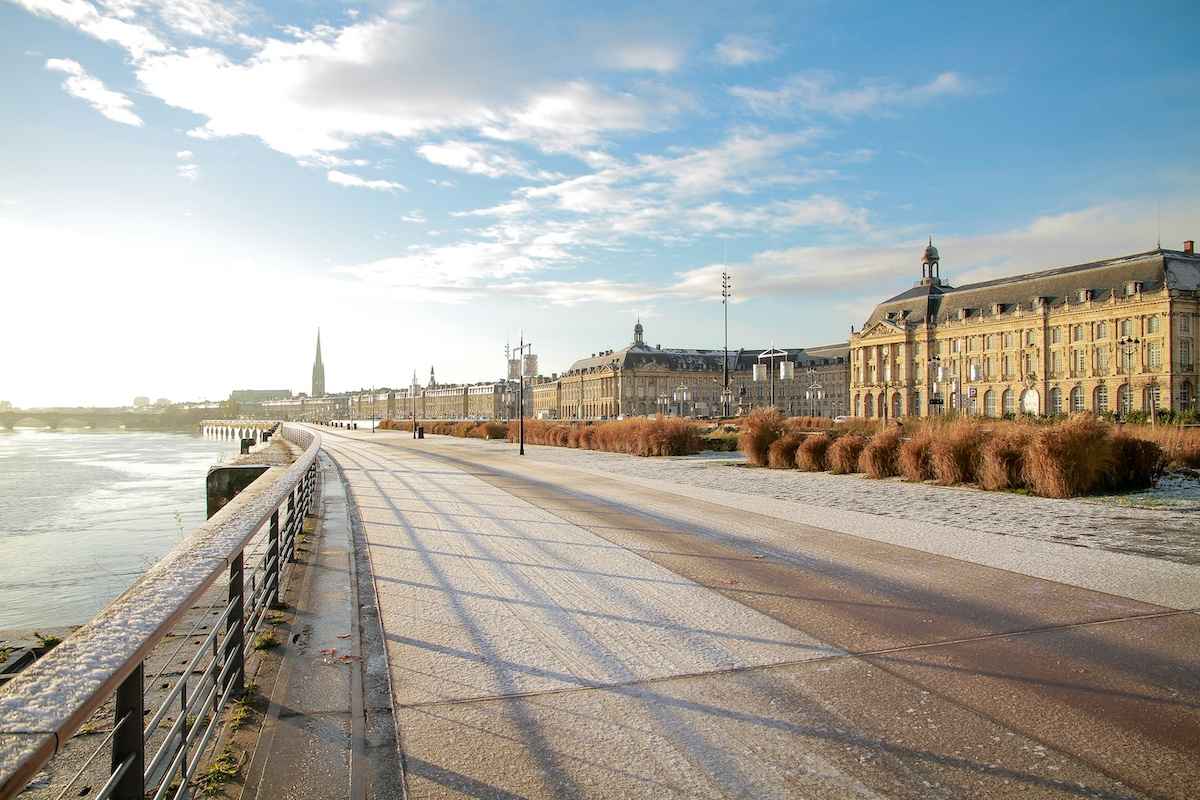
Bordeaux and its region show a rare density of eligible properties. The historic centre, listed as UNESCO World Heritage since 2007 under the name Port of the Moon, holds several hundred protected monuments. The townhouses of the Triangle d'Or, between the Allées de Tourny and the Cours de l'Intendance, often registered as historic monuments, rank among the most coveted addresses.
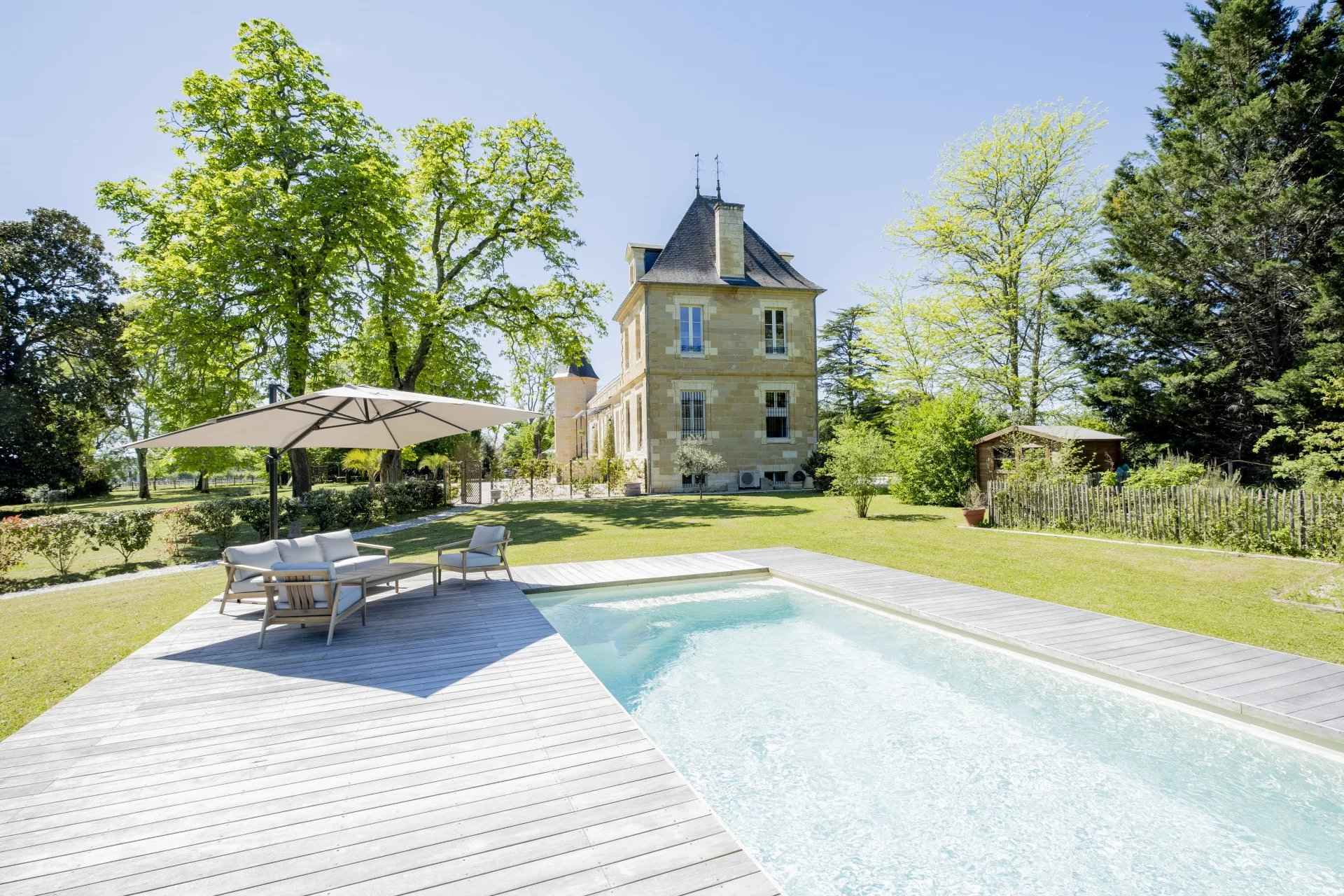
Beyond the centre, the supply broadens markedly towards the Gironde vineyards and the communes of the metropolitan area, where many châteaux are listed or registered. Turning a château to restore in the Gironde into a tax-efficient residence still follows very precise rules. In the Chartrons as in the wine-growing communes, the protection perimeter of a monument's surroundings, five hundred metres by default, also places neighbouring properties under the opinion of the Architecte des Bâtiments de France. In every case, protection is decided monument by monument, and two neighbouring buildings can fall under opposite rules.
Owning a historic monument means becoming its guardian as much as its owner. Whether you have your eye on a listed townhouse in the old centre or a wine château in the heart of the vineyards, you will sometimes find eligible properties among our châteaux for sale in Bordeaux and the Gironde and all our properties for sale across the region.
The tax regime of a historic monument is formidably effective, yet it allows no approximation. The value of a listed building, its eligibility and the convention to be signed are assessed case by case, well before the deed. To secure that journey, draw on the expertise of BARNES Bordeaux. Our prestige real estate agencies in Bordeaux and Le Bouscat know this rare heritage and its tax intricacies.
Did you enjoy this article on buying a historic monument? Our newsletter follows the Bordeaux market, the current tax schemes and our exceptional properties before they reach the open market.