2026-06-26
From ruin to luxury: buying a house or a château to restore in the Gironde
Buying a house in ruins fascinates, and handled with skill, it can prove an excellent investment. BARNES Bordeaux tells you more about this phenomenon.
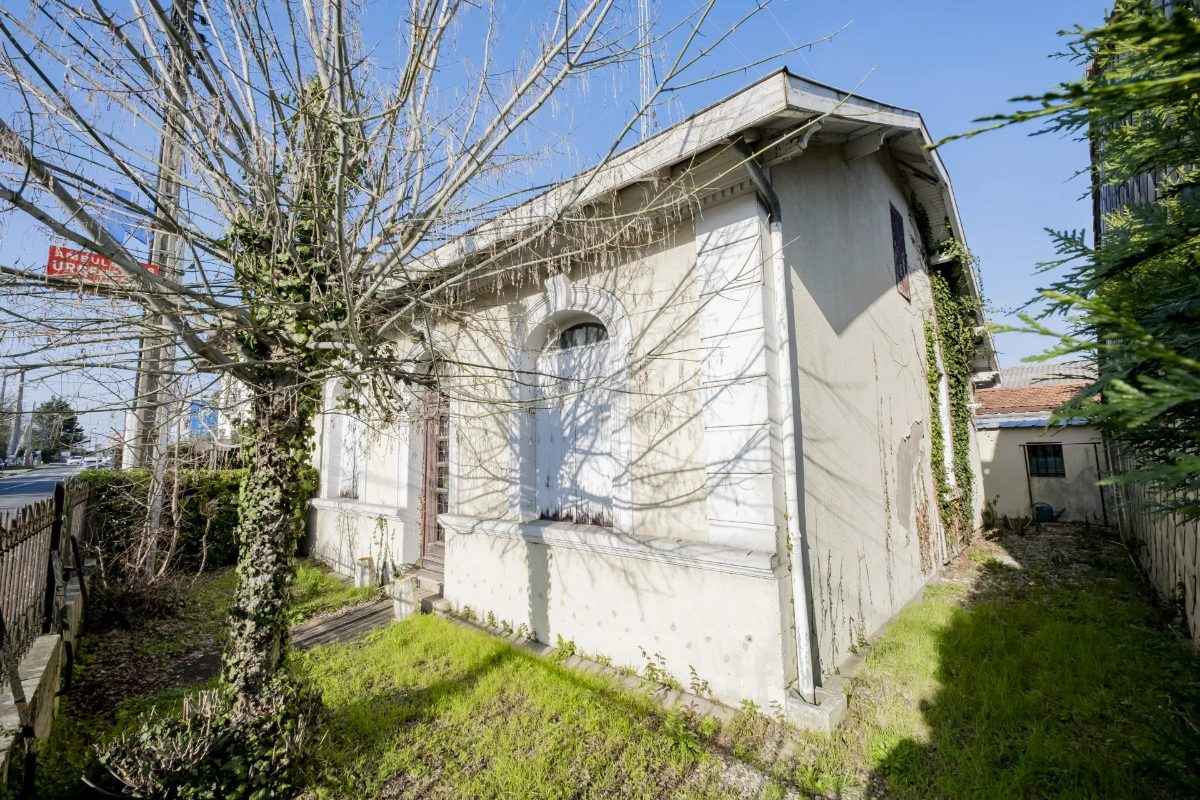
In the Gironde, buying a ruined house or an abandoned château draws a new generation of investors and enthusiasts, ready to turn a pile of stones into a remarkable place.
While we already see it within our BARNES Bordeaux agencies, the trend reaches far beyond the department. Proof of it sits in the Hautes-Pyrénées, where a former mountain inn abandoned since 1996 reopens this summer 2026 as the highest luxury hotel in France, at 2,620 metres. A ruin is no longer an ending, it becomes a starting point.
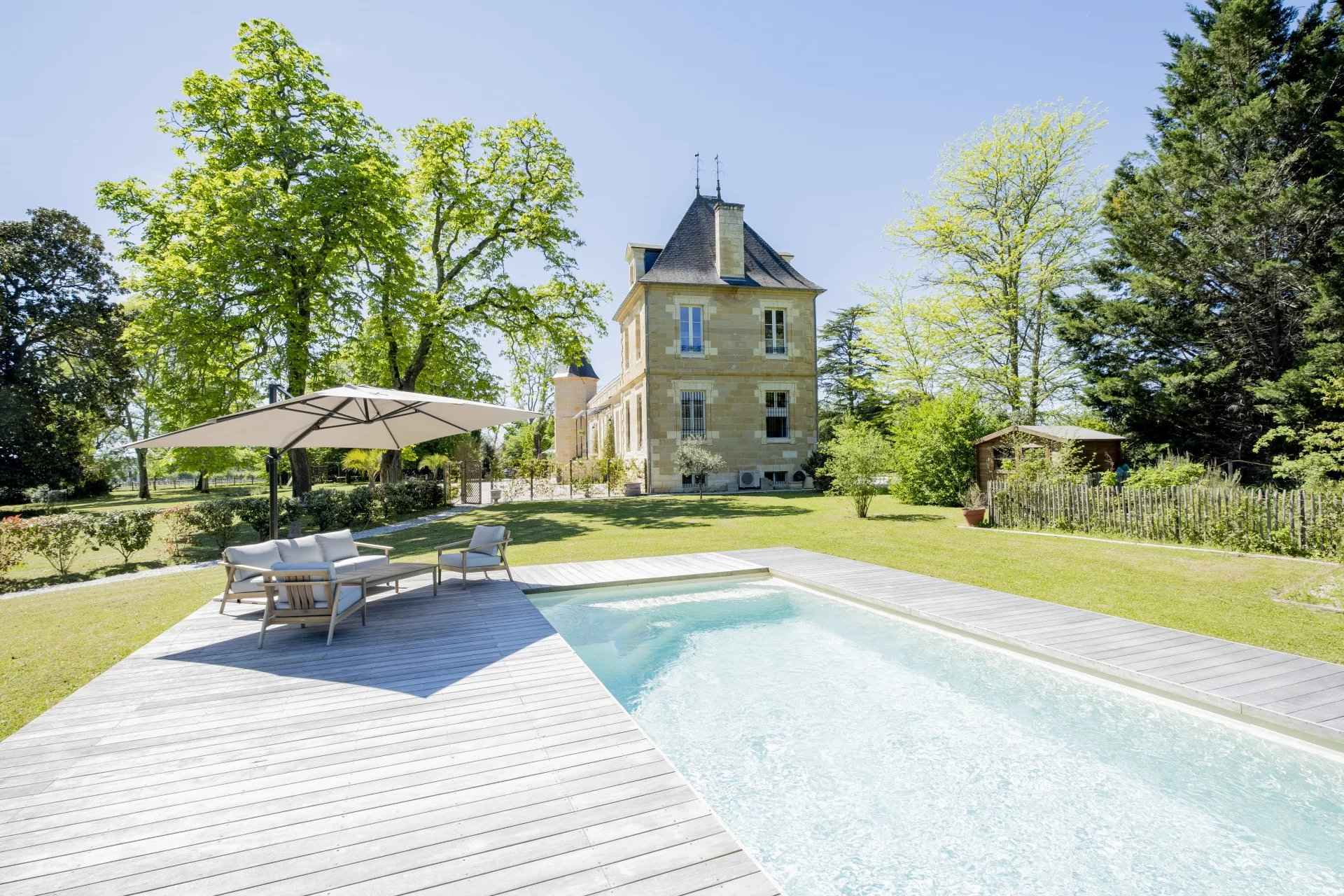
Behind the movement lies a simple promise, bringing a place steeped in history back to life and leaving your own mark on it. Weathered stone, high ceilings and century-old grounds offer a raw material that new build cannot imitate.
In and around Bordeaux, candidates for restoration are everywhere, from forgotten échoppes to ivy-clad chartreuses. What remains is to tell genuine potential from a money pit, a call that turns on the right to rebuild and the true state of the walls, long before falling for the place.
From ruin to luxury, a trend that holds true
Turning a ruin into a prestigious address is no fantasy. In Ussel, in the Corrèze, 3 hours from Bordeaux in Nouvelle-Aquitaine, three friends bought the Château du Theil for 160,000 euros in 2019. The building's origins date back to 1120. After four million euros of works and five years on site, the château reopened in September 2024 as a four-star hotel and restaurant.
Other revivals confirm the pattern. In the Yvelines, the Cistercian abbey of Vaux-de-Cernay, long reduced to a stone quarry after the Revolution, is today a prestige hotel set on a private estate of 75 hectares, an hour from Paris. Its interiors were reworked with leading French houses such as Pierre Frey, proof that a restored ruin now aims for the very top of the market.
Why a ruin appeals to investor and heritage lover alike
Beyond these revivals, a ruined house or a château lost to brambles draws the eye first through its entry price. These forgotten properties, often ringed by vast grounds and flanked by outbuildings, sell for sums far below an equivalent property in good condition. The buyer pays for potential, not for comfort. Set against that financial appeal is a more personal driver, the wish to save a place from time and to lead a restoration on one's own terms rather than inherit another's choices.
Once restored, the property can also generate income. Weddings, seminars or guest rooms, these uses let a domain pay for itself when its owner is not there full time. In the Gironde, a land of wine châteaux, this logic gains an extra asset, the prestige tied to a property's name and its terroir. There, the name of a respected wine estate is an asset in itself, something neither a new flat nor a townhouse can claim.
The right to rebuild, the golden rule before buying a ruin
This enthusiasm has a limit, though. Before falling for a ruin, one question settles everything, the right to rebuild it. Article L111-15 of the French planning code allows identical reconstruction of a demolished building, provided it was lawfully built, that the destruction is less than ten years old and that the local planning rules do not object. A 2024 ruling clarified that this ten-year window is assessed without counting the permit review period.
Beyond that window, or if the building's lawful origin cannot be proven, the ruin is treated as new construction. It must then meet every current planning rule, with no acquired rights. The risk is real, paying the price of a house only to hold, in truth, the rights of a bare plot. A professional survey at this stage is what prevents the most expensive mistake of the whole project.
The heritage framework for restoring in Bordeaux and the Gironde
On top of the right to rebuild, restoration in Bordeaux comes with a strict heritage framework. The historic centre, listed as UNESCO World Heritage since 28 June 2007 under the name Port of the Moon, covers 1,810 hectares. Within it, the safeguarding plan protects 150 hectares, 350 listed monuments and 3,500 plots. Any project altering a building's exterior requires the binding opinion of the Architectes des Bâtiments de France.
This control also applies around monuments, within a 500-metre radius. Façade colours, joinery and roofing materials are approved case by case, and review times lengthen. In the Gironde vineyards, chartreuses and châteaux fall under other constraints, tied to farmland and to heritage listings. Anticipating these rules shapes both the budget and the timeline of a restoration.
The tax levers of restoration
These constraints have a flip side. Restoring an old building unlocks powerful tax schemes. In Bordeaux, the Malraux law reaches its maximum rate of 30 % in income tax reduction, thanks to the approved safeguarding plan, within a limit of 400,000 euros of works over four years. For a property listed as a historic monument, the works are deductible from income without a ceiling, in exchange for a long-term commitment to preserve it.
A third lever targets the most energy-hungry homes. The property deficit, capped at 10,700 euros a year, rises to 21,400 euros for the energy renovation of an inefficient home rated E, F or G, provided it reaches class D after works. This doubling, extended until 31 December 2027, makes a discounted, poorly rated property all the more attractive. Every situation is different, and warrants proper advice rather than back-of-the-envelope maths.
The real cost, from money pit to value creation
Behind the dream, the figures impose their reality. Demolishing damaged sections costs 50 to 150 euros per square metre, and servicing an isolated plot can run to tens of thousands of euros. A building under a dangerous-structure order adds urgency and the loss of insurance. These items, often underestimated, turn an apparent bargain into a heavy burden when the property's condition has been misjudged from the start.
At the other end of the spectrum, value creation rewards well-run projects. A Bordeaux échoppe bought at around 4,500 euros per square metre, renovated and sometimes extended upwards, can aim for 7,500 to 8,500 euros per square metre once restored in a sought-after district such as Caudéran. This path from ruin to luxury is real in the Gironde, for buyers who go in fully informed.
From a wine château to a forgotten chartreuse, the Gironde abounds with dormant properties for anyone wishing to sign an exceptional restoration. They sometimes turn up among our châteaux for sale in Bordeaux and the Gironde and across all our properties for sale in the Bordeaux area.
Between a Gironde château under a dangerous-structure order and a chartreuse ready to restore, the difference is decided before the purchase, at the sourcing and survey stage. Our consultants know this very particular market inside out and often gain early sight of the highest-potential ruined homes, the ones never listed on property portals. To weigh the real potential of a project, from the right to rebuild to the projected works budget, draw on the expertise of BARNES Bordeaux to see your renovation project in the Gironde through.
Did you enjoy this article on buying ruined properties? Our newsletter follows the Bordeaux market, the current tax schemes and our investment properties before they reach the open market.